
ENGL 6907 - Teaching of Writing
Fall 2026 Syllabus, Section 02, CRN 41363,
Credit hours: 3
Course Meeting Times
Log in to view more
Instructor
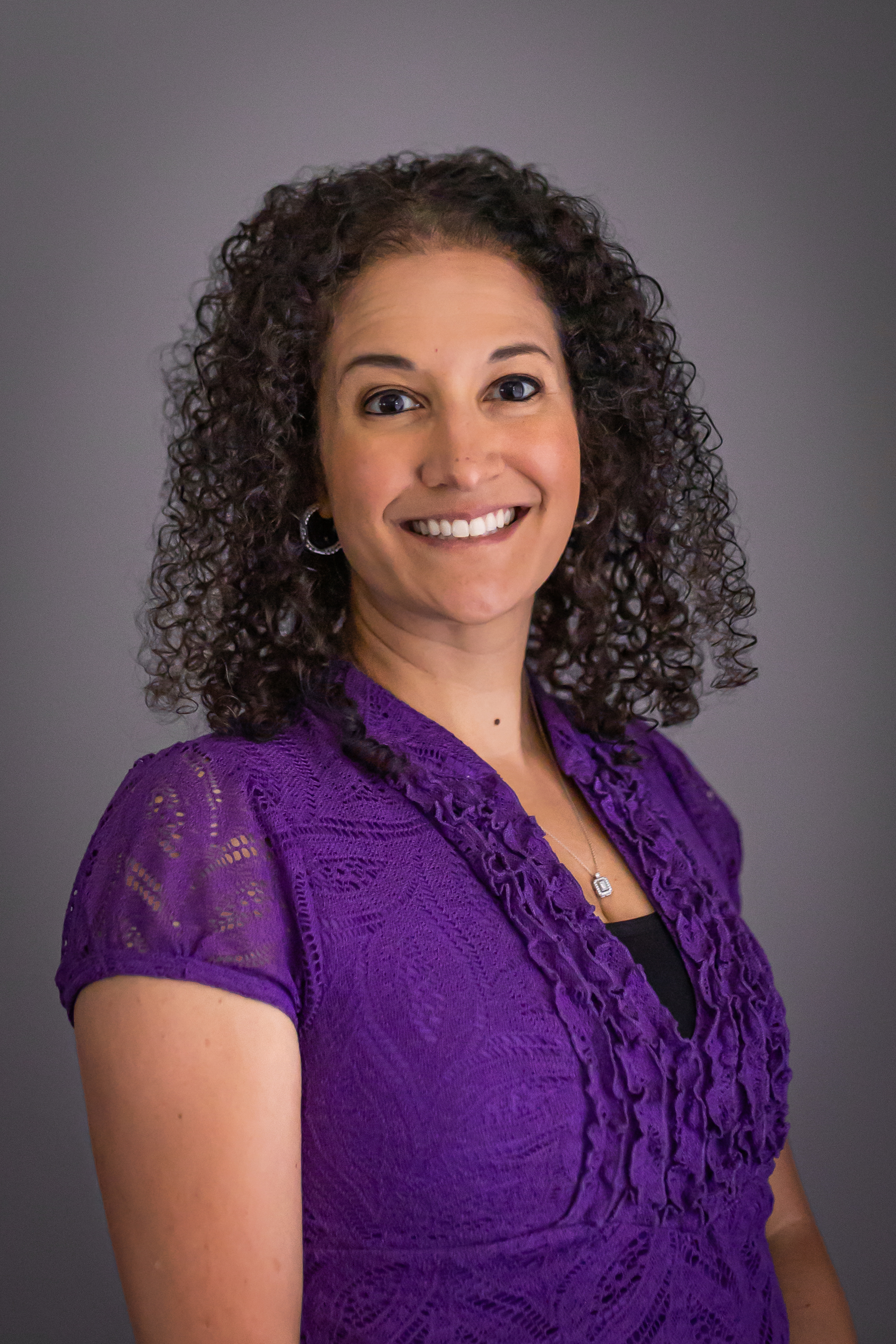
Diana Awad Scrocco
Email: dlawadscrocco@ysu.edu
Course Description
Course Readings
| Group | Title | Author | ISBN |
|---|---|---|---|
| Required | Reaching All Writers: A Pedagogical Guide for Evolving College Writing Classrooms | Joanne Baird Giordano, Holly Hassel, Jennifer Heinert, Cassandra Phillips | 9781646425372 |
REQUIRED Readings:
Alley, M., Schreiber, M., Ramsdell, K., & Muffo, J. (2005). Pilot testing of a new design for presentation. Journal of Technical Writing and Communication, 35(4), 421–432.
Apostel, S. (2019). Prezi and PowerPoints designed to engage: Getting the most out of quick-and-dirty pathos. In L. A. Sabatino & B. Fallon (Eds.), Multimodal composing: Strategies for twenty-first-century writing consultations (pp. 81–96). Utah State University Press.
Baker, K. M. (2016). Peer review as a strategy for improving students’ writing process. Active Learning in Higher Education, 17(3), 179–192.
Blackwell-Starnes, K. (2025). “I prefer my own writing”: Engaging first-year writers’ agency with generative AI. Thresholds in Education, 48(1), 25–39.
Brookfield, S. D. (2017). What is critically reflective practice? In Becoming a critically reflective teacher (2nd ed., pp. 1–19). Jossey-Bass.
Eng, N. (2022, May 2). Want students to do the reading? Assign tasks, not texts. The Teaching Professor.
Howard, R. M., Serviss, T., & Rodrigue, T. K. (2010). Writing from sources, writing from sentences. Writing & Pedagogy, 2(2), 177–192.
Lamb, M. R. (2010). Teaching nonfiction through rhetorical reading. English Journal, 99(4), 43–49.
Lindenman, H., Camper, M., Jacoby, L. D., & Enoch, J. (2018). Revision and reflection: A study of (dis)connections between writing knowledge and writing practice. College Composition and Communication, 69(4), 581–611.
Mackiewicz, J. (2008). Comparing PowerPoint experts' and university students' opinions about PowerPoint presentations. Journal of Technical Writing and Communication, 38(2), 149–165.
Shanmugaraj, N., Wolfe, J., & Wodzak, S. (2020). Rhetorically-grounded paraphrasing instruction: Knowledge telling versus transforming. Composition Forum, 43.
Tengberg, M., & Olin-Scheller, C. (2016). Developing critical reading of argumentative text: Effects of a comprehension strategy intervention. Journal of Language Teaching and Research, 7(4), 635–645.
Thonney, T. (2011). Teaching the conventions of academic discourse. Teaching English in the Two-Year College, 38(4), 347–362.
To, J., & Carless, D. (2016). Making productive use of exemplars: Peer discussion and teacher guidance for positive transfer of strategies. Journal of Further and Higher Education, 40(6), 746–764.
Underwood, J. S., & Tregidgo, A. P. (2006). Improving student writing through effective feedback: Best practices and recommendations. Journal of Teaching Writing, 22(2), 73–98.
Velasquez, E., & Teston, C. (2026). “It’s giving AI”: Reading ambiguously-authored texts and the role of felt sense. Journal of Writing Research, 17(3), 581–619.
OPTIONAL Readings:
Anson, C. M. (2013). Process pedagogy and its legacy. In A. Rupiper Taggart, K. Schick, & H. B. Hessler (Eds.), A guide to composition pedagogies (2nd ed., pp. 212–230). Oxford University Press.
Awad Scrocco, D. L. (2012). Do you care to add something? Articulating the student interlocutor’s voice in writing response dialogue. Teaching English in the Two-Year College, 39(3), 274–292.
Brannon, L., & Knoblauch, C. H. (1982). On students’ rights to their own texts: A model of teacher response. College Composition and Communication, 33(2), 157–166.
Brookfield, S. D. (2017). Uncovering assumptions of power. In Becoming a critically reflective teacher (2nd ed., pp. 21–37). Jossey-Bass.
Dolmage, J. (2008). Mapping composition: Inviting disability in the front door. In C. Lewiecki-Wilson & B. J. Brueggemann (Eds.), Disability and the teaching of writing: A critical sourcebook (pp. 14–27). Bedford/St. Martin’s.
Graff, G. (2003). Clueless in academe: How schooling obscures the life of the mind. Yale University Press.
Lewis, L., & Alden, P. (2007). What we can learn about writing blocks from college students with output problems, strong writing skills, and attentional difficulties. Journal of Teaching Writing, 23(1), 115–146.
Rodrigo, R., & Mitchum, C. (2024). Teaching literacy online: Engaging, analyzing, and producing in multiple media. National Council of Teachers of English.
Sabatino, L. A. (2019). Design theory and multimodal consulting. In L. A. Sabatino & B. Fallon (Eds.), Multimodal composing: Strategies for twenty-first-century writing consultations (pp. 3–22). Utah State University Press.
Sommers, N. (1980). Revision strategies of student writers and experienced adult writers. College Composition and Communication, 31(4), 378–388.
Wardle, E. (2007). Understanding “transfer” from FYC: Preliminary results of a longitudinal study. WPA: Writing Program Administration, 31(1–2), 65–85.
The course readings are subject to change in the event of extenuating circumstances, research developments, current events, and/or to ensure better learning.
Assignments/Assessments
Log in to view more
Schedule of Topics and Assignments
| Day | Date | Reading(s) | Proposed Topic | Due/To Prepare for Class |
|---|---|---|---|---|
| Mon | 8/24 | None | Introduction to Composition Pedagogy | |
| Mon | 8/31 | Giordano et al., 2023, Chapter 2, "Practices for Teaching Effective and Equitable Writing Courses" (pp. 24-40) Brookfield, 2017, "What is Critically Reflective Practice?" (pp. 1-19) *OPTIONAL: Brookfield, 2017, "Uncovering Assumptions of Power" (pp. 21-37) |
Critically Reflective Practice | Reading Response 1 |
| Mon | 9/7 | No Class | ||
| Mon | 9/14 | Giordano et al., 2023, Chapter 3, "Thinking Like a Writer: Translating Threshold Concepts" (pp. 63-79) Giordano et al., 2023, Chapter 6, "Writing Processes Are Individualized, Require Readers, and Require Revision" (pp. 142-161) *OPTIONAL: Anson, 2013, "Process Pedagogy and Its Legacy" |
Teaching the Writing Process | Reading Response 2 |
| Mon | 9/21 | Alley et al., 2005, "Pilot Testing of a New Design for Presentation" Apostel, 2019, "Prezi and PowerPoints Designed to Engage" Mackiewicz, 2008, "Comparing PowerPoint Experts' and University Students' Opinions about PowerPoint Presentations" *OPTIONAL: Sabatino, 2019, "Design Theory and Multimodal Consulting" |
Visual and Digital Pedagogies | Journal Analysis Presentation PPT Draft due for Peer Review |
| Mon | 9/28 | Giordano et al., 2023, Chapter 7, "Reading and Writing Are Interconnected Activities" (pp. 167-187) Eng, 2022, "Want Students to Do the Reading? Assign Tasks, Not Texts" Lamb, 2010, "Teaching Nonfiction through Rhetorical Reading" Tengberg and Olin-Scheller, 2016, "Developing Critical Reading of Argumentative Text" |
Reading in the Writing Classroom | Reading Response 3 Journal Analysis Presentation Due |
| Mon | 10/5 | Giordano et al., 2023, Chapter 5, "Writers Write for Different Purposes and Audiences...in Genres" (pp. 108-125) Thonney, 2011, "Teaching the Conventions of Academic Discourse" *OPTIONAL: Graff, 2003, "Clueless in Academia" |
Teaching Research Writing | Reading Response 4 Draft of Pedagogy Project Proposal due for Peer Review (in class) Final Pedagogy Project Proposal Due Friday |
| Mon | 10/12 | Howard et al., 2010, “Writing from Sources, Writing from Sentences” Shanmugaraj et al., 2020, "Rhetorically Grounded Paraphrasing Instruction" Blackwell-Starnes, 2025, “'I Prefer My Own Writing': Engaging First-Year Writers' Agency with Generative AI" *OPTIONAL: Rodrigo & Mitchum, 2023, "Guiding Principles for Teaching Literacies Online" |
Addressing Patchwriting, Plagiarism in the Writing Classroom | Reading Response 5 |
| Mon | 10/19 | Giordano et al., 2023, Chapter 4, "Writing Can Be Taught and Learned" (pp. 83-103) Baker, 2016, "Peer Review as a Strategy" *OPTIONAL: Lewis & Alden, 2007, "What We Can Learn about Writing Blocks..." |
Conferencing and Peer Reviewing in the Writing Classroom | Reading Response 6 |
| Mon | 10/26 | To and Carless, 2015, "Making Productive Use of Exemplars" Underwood & Tregidgo, 2006, "Improving Student Writing Through Effective Feedback: Best Practices and Recommendations" *OPTIONAL: Awad Scrocco, 2012, "Do You Care to Add Something?" |
Responding to Student Writing | Reading Response 7 Draft of Annotated Bibliography Visual Aid due for Peer Review |
| Mon | 11/2 | *OPTIONAL: Dolmage, 2008, "Mapping Composition Inviting Disability in the Front Door" | Responding to Student Writing | Pedagogy Project Annotated Bibliography Presentation Due |
| Mon | 11/9 | Giordano et al., 2023, Chapter 8, "Writers Make Choices about Language Within Cultural and Social Situations" (pp. 191-207) Lindenman et al., 2018, "Revision and Reflection" |
Revision in the Writing Classroom | Reading Response 8 |
| Mon | 11/16 | *OPTIONAL: Wardle, 2007, “Understanding ‘Transfer’ from FYC” | Peer Review: Pedagogy Project Paper Half Draft | Pedagogy Project Half Draft due for Peer Review |
| Mon | 11/23 | Velasquez & Teston, 2026, “'It’s Giving AI': Reading Ambiguously-Authored Texts and the Role of Felt Sense *OPTIONAL: Brannon & Knoblauch, 1982, “On Students’ Rights to Their Own Texts” *OPTIONAL: Sommers, 1980, “Revision Strategies of Student Writer” |
Artificial Intelligence Tools in the Writing Classroom | BONUS Reading Response |
| Mon | 11/30 | Peer Review: Pedagogy Project Paper Full Draft | Pedagogy Project Full Draft due for Peer Review | |
| Mon | 12/7 | Pedagogy Project Final Draft Due Pedagogy Project Final Presentation Due |
The course schedule, policies, procedures, and assignments in this course are subject to change in the event of extenuating circumstances, by mutual agreement, and/or to ensure better learning.